Sun Damage & Sun Spots
Years of sun, showing up on your skin.
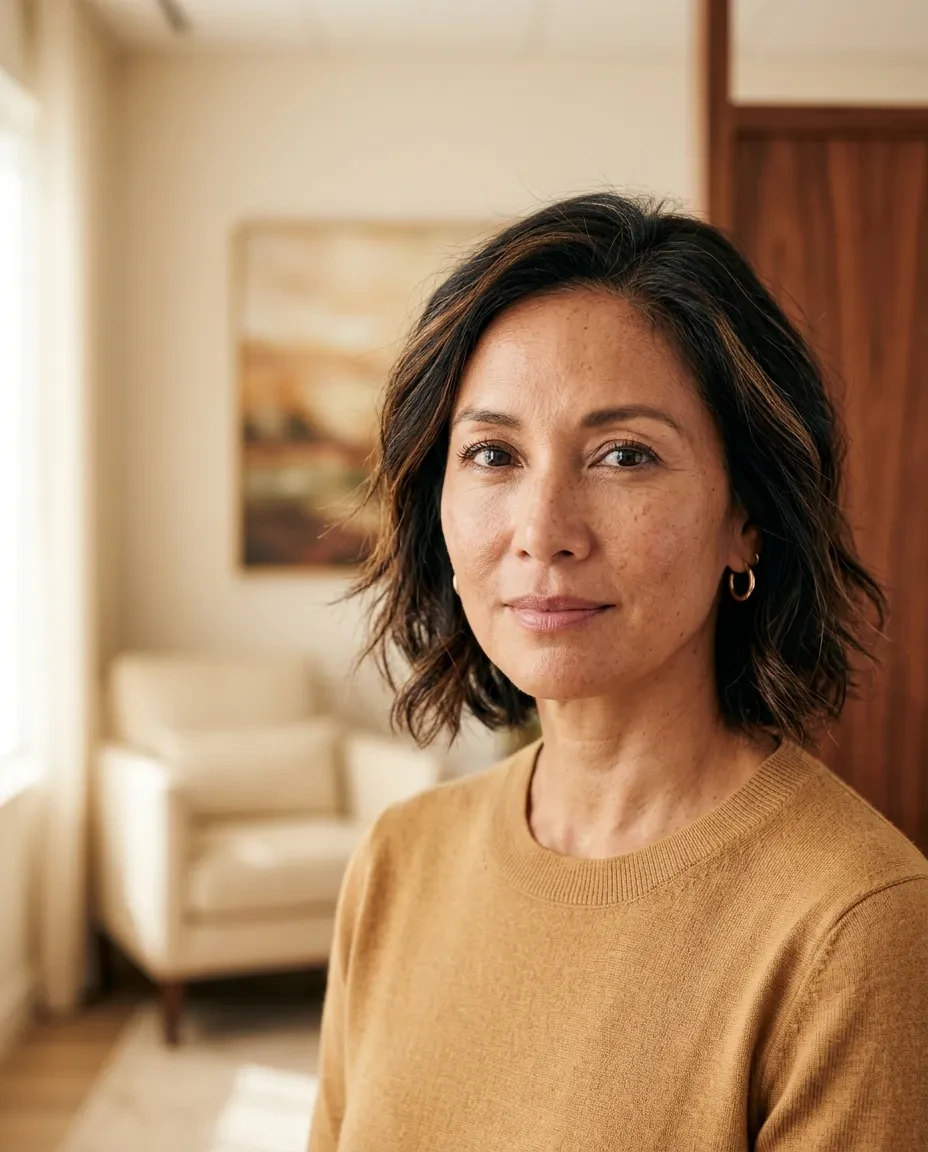
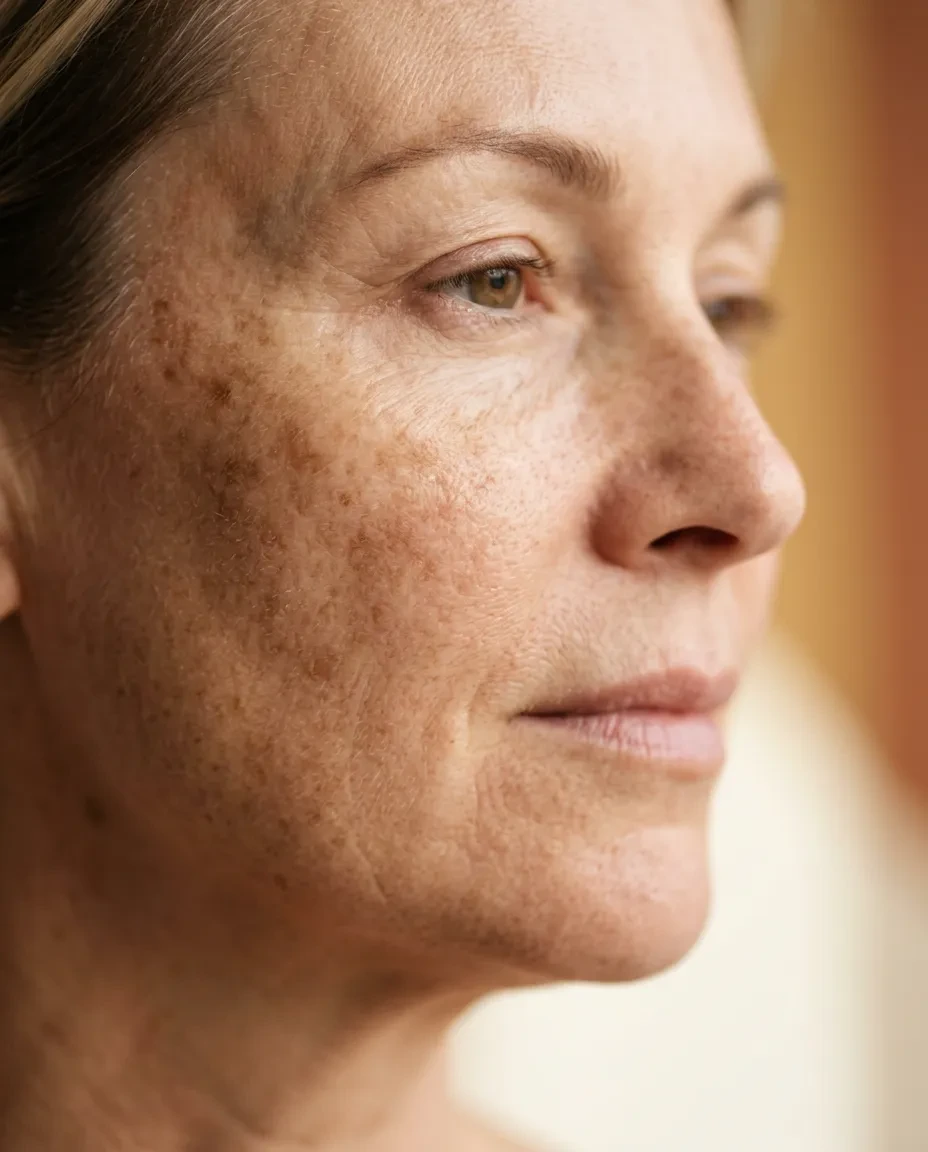
Those brown spots and patches that seemed to appear out of nowhere? That's usually years of sun catching up with you, even on cloudy days you barely remember. The tone gets uneven, freckly patches darken, and makeup stops covering it like it used to. You're so not alone, and for most people there's a lot we can do to even things out, gently and over time.
Sun Damage & Sun Spots
Years of sun, showing up on your skin.
Those brown spots and patches that seemed to appear out of nowhere? That's usually years of sun catching up with you, even on cloudy days you barely remember. The tone gets uneven, freckly patches darken, and makeup stops covering it like it used to. You're so not alone, and for most people there's a lot we can do to even things out, gently and over time.
CONCERN & CAUSES
Why The Sun Leaves Spots
When skin gets sun over the years, it makes extra pigment to protect itself, and that pigment doesn't always land evenly. You end up with different kinds of marks, and each one likes a slightly different approach.
01
Sun Spots
Flat brown spots, sometimes called age spots or liver spots, that show up on the areas that catch the most sun like cheeks, temples, and the backs of the hands. They sit in the upper layers, which is exactly where light-based treatments can reach for many people.
02
Uneven Tone
A patchy, blotchy look where some areas read darker than others, often across the cheeks and forehead. It can make the whole complexion seem dull, so the goal is to lift the excess pigment and even things back out.
03
Freckly Patches
Clusters of small spots that get darker and more noticeable after a sunny summer. They tend to respond nicely to pigment-targeting treatments, though results can vary from person to person.
04
Rough, Weathered Texture
Years of sun can leave the surface looking a little dull and weathered alongside the spots. That's why we often pair pigment work with gentle resurfacing so tone and texture improve together.
Treatment Benefits
Pigment-targeting options for sun damage in Innisfil
Sun damage rarely clears with just one thing. Your provider checks how deep your pigment sits and what type of skin you have first, then we combine pigment-targeting and gentle resurfacing so each step builds on the last. No pressure, just a real plan that fits your skin.

IPL Photofacial
Intense pulsed light that targets the excess brown pigment sitting in the upper layers of sun-damaged skin.
Great for flat sun spots and freckly patches on lighter skin tones, and often the first option we reach for with classic sun damage.
The light is absorbed by the pigment, which darkens, lifts to the surface, and gradually sheds over the days after, evening out tone for many people.
Spots can look a little darker and coffee-ground-like for several days, then flake off. Results build over a short series, and daily SPF protects every bit of progress.
Chemical Peel
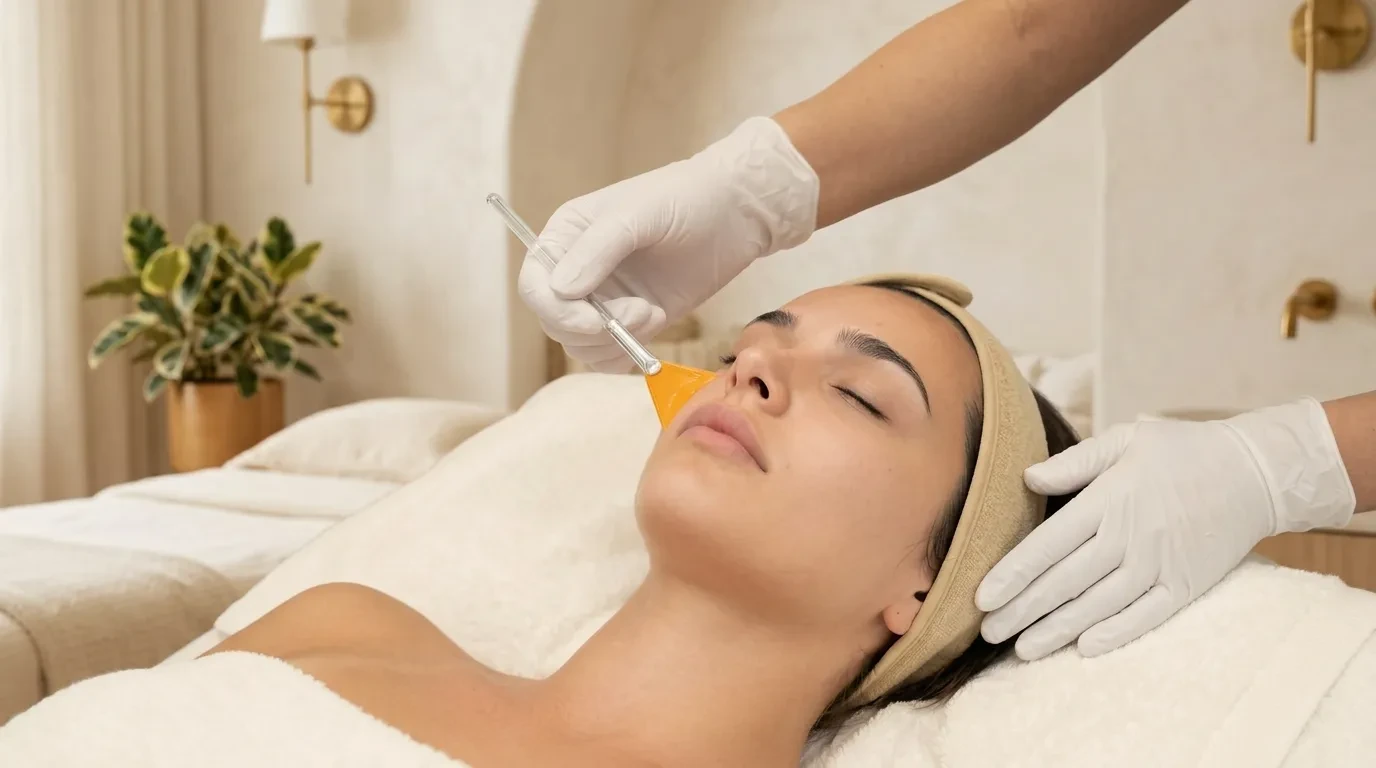
A clinical-grade peel that lifts dull, pigmented surface cells and refines uneven tone and texture together.
Used on its own for milder unevenness or layered with IPL to refine the surface while light-based work targets deeper spots.
The peel sheds pigmented, uneven cells so newer skin can surface, helping tone look brighter and more even for most people.
A short visit, usually in a series. Light flaking for a few days is normal, and daily SPF is a must.
SylfirmX
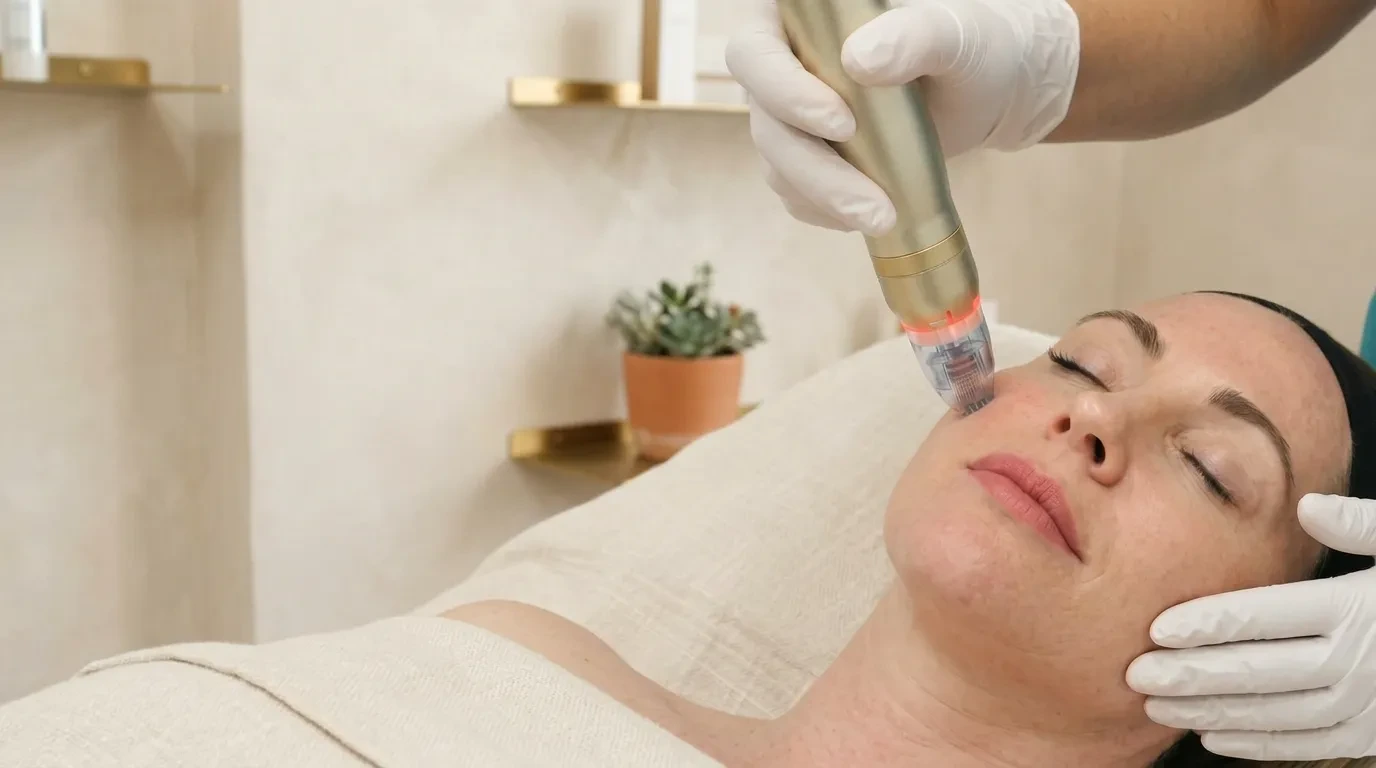
RF microneedling that delivers radiofrequency energy at controlled depths to address deeper or stubborn pigment and sun-weathered texture.
A good fit when pigment sits deeper, when tone and texture both need work, or for skin types where light-based treatments need a gentler partner.
The energy helps target stubborn pigment while prompting fresh collagen, so tone and texture can improve together over a series for many people.
Expect a few days of redness per session. Results build over a spaced series, and daily SPF keeps new pigment from setting back in.
How to protect your skin after treatment
Pigment treatments lift the spots you've already got, but new sun can bring them right back and undo your progress. These simple habits keep your tone even and protect every bit of the work we did together.

Protect Daily
Broad-spectrum SPF 30 or higher, reapplied every couple of hours outdoors, is the single most important thing for pigment. Sun on treated skin can bring the spots straight back, so this one's non-negotiable.

Cleanse Gently
Use a gentle, pH-balanced cleanser with lukewarm water and a soft touch. It keeps treated skin calm while pigment lifts and the surface settles.

Brighten Consistently
Once your skin settles, a medical-grade brightening serum or retinol can support more even tone between visits. Build it in slowly and keep it consistent rather than aggressive.

Hydrate the Barrier
A strong barrier holds your results and handles treatment better. Layer a hyaluronic acid serum under your moisturiser to keep skin resilient between sessions.

Skip the Sun Triggers
While your skin is recovering, ease off hot saunas, tanning, and harsh scrubs. Soothing, hydrating masks once or twice a week are a much kinder choice.
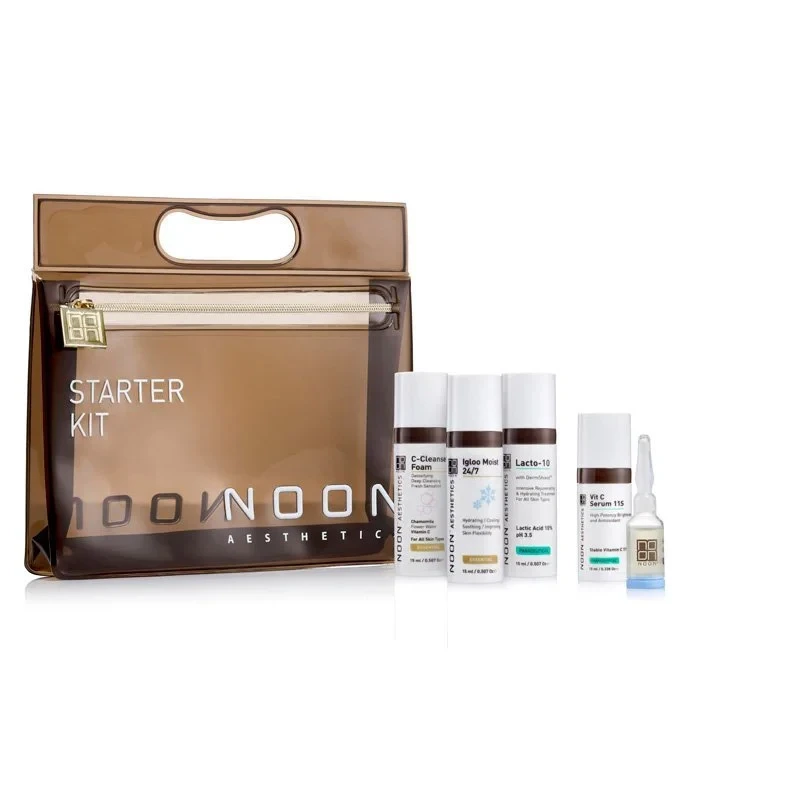
Recommended Skincare
Medical-Grade Skin Protocol
Ask our team about a simple medical-grade routine (a brightening retinol plus daily SPF) that supports more even tone and protects against new sun damage, helping hold your results between sessions.
Who provides your care
Nurse Practitioner-led care you can trust
Your plan is guided by Jennifer Holman, NP, our owner and a Nurse Practitioner with over 14 years in medicine, a Key Opinion Leader for Galderma and Xcite Technologies, and Chair of APANS. You may also be cared for by our aesthetic nurse injector Lia Harding, RN, or our Medical Aesthetician Natasha Grbesa. We assess your skin and full health history first, talk through whether a treatment is right for you, including anyone who should wait such as during pregnancy or with an active skin infection, and only recommend what genuinely suits you. All care follows Ontario's medical oversight rules.


Skin Club Membership
Join the Skin Club
Exclusive Savings on Every Visit.
Beautiful skin is a long-term commitment, and Skin Club membership makes that commitment rewarding. Members receive preferred pricing across all treatments, priority booking with their preferred practitioner, and a personalized treatment roadmap so results keep building with every visit.
Discounted treatment packages and member-only pricing
Priority booking and scheduling with your preferred practitioner
Complimentary skin assessments & personalized treatment plans

A plan built around your face, not a template.
Same-week consultations. No referral required. Our team walks you through what they see, and what they'd actually recommend.
FAQ
Common questions about
sun damage treatment
For a lot of people, sun spots can fade dramatically and the skin looks much more even, though we'd never promise they'll vanish entirely. Results vary from person to person, and we'll always be honest with you about what's realistic for your skin before we start.
It depends on how deep your pigment sits and your skin type, which is exactly what your provider checks at your consult. For many people it's IPL for the surface spots, sometimes paired with a peel or SylfirmX. We'll map it out together.
Most people see the best results from a short series rather than a single session, often a few spaced a few weeks apart. The exact number depends on your skin, and we'll give you a clear plan at your consult.
Usually just a few days. With IPL the spots often look darker and coffee-ground-like before they flake off, and peels can leave light flaking. We'll walk you through exactly what to expect so you can plan around it.
New sun can absolutely create new spots, which is why daily SPF after treatment is so important. Protect your skin and stay consistent, and for most people the results hold beautifully between sessions.
Many people notice spots lifting within a week or two after IPL, while peels and collagen-building treatments build more gradually over weeks. Results often keep improving across a series, and we'll check in along the way.